Concrete Driveway Sealing · Warren

Concrete Driveway Sealing in Warren, MI

Penetrating siloxane sealing on a 2 to 3 year cycle keeps Michigan road salt and freeze and thaw from chewing up the slab.

Same day installs · typical timeline
Free Quote

Free Concrete Driveway Sealing quote.

We reply within 1 business hour. No spam, ever.

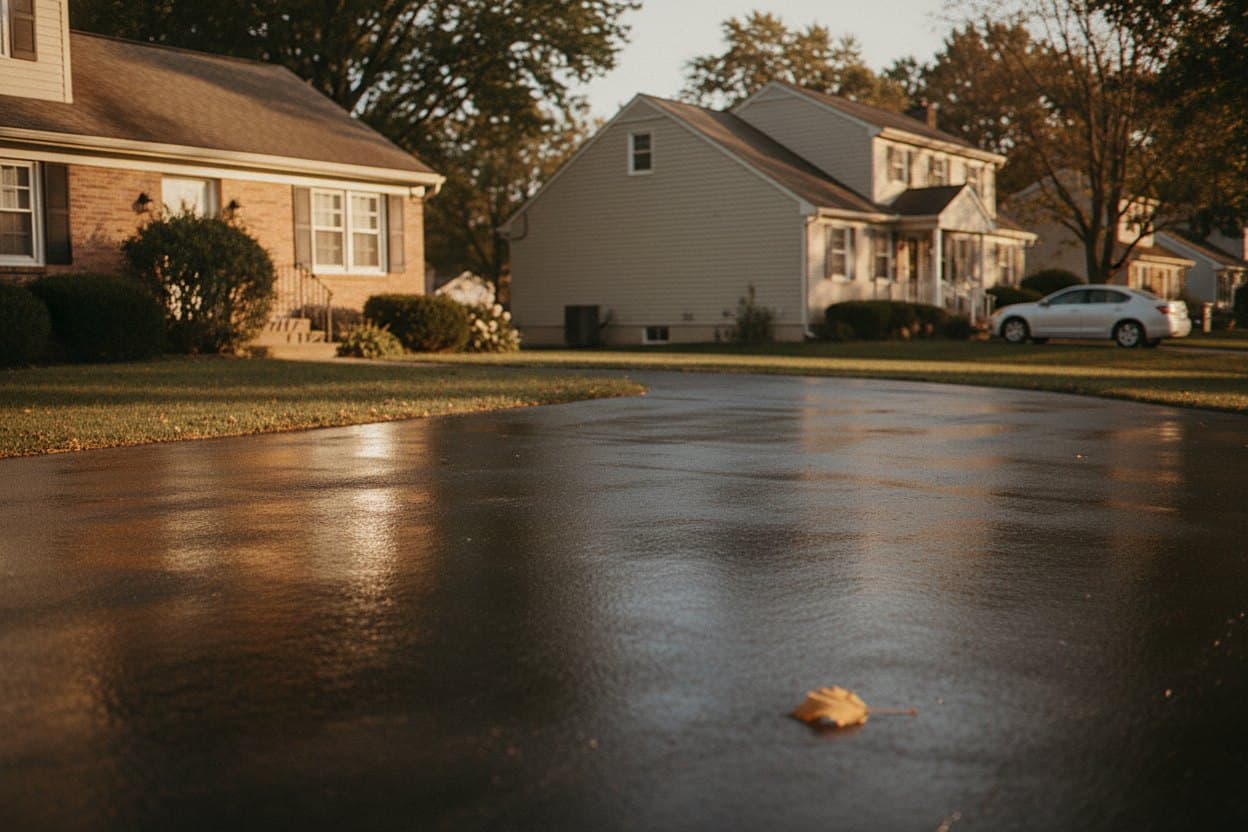
Wet-look sealed concrete driveway glistening at low sun.
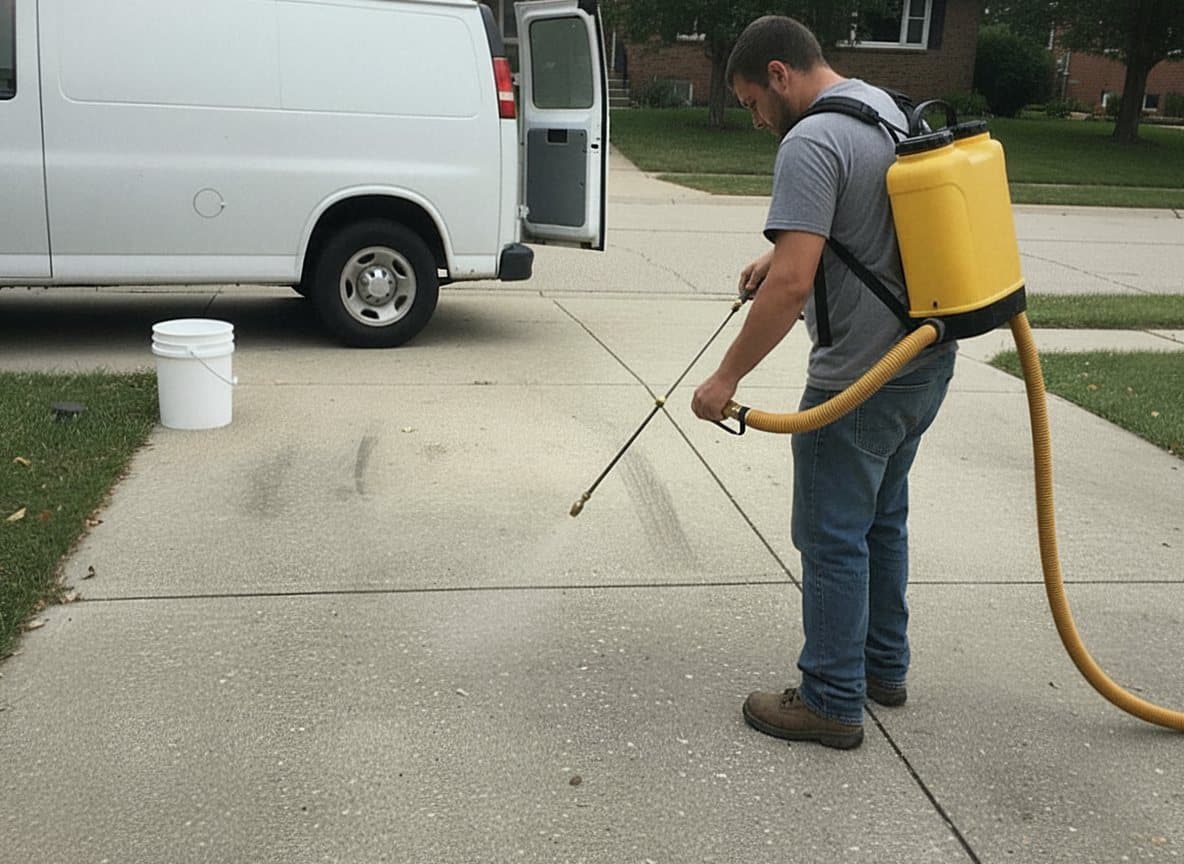
Worker applying sealer with a backpack sprayer outdoors.
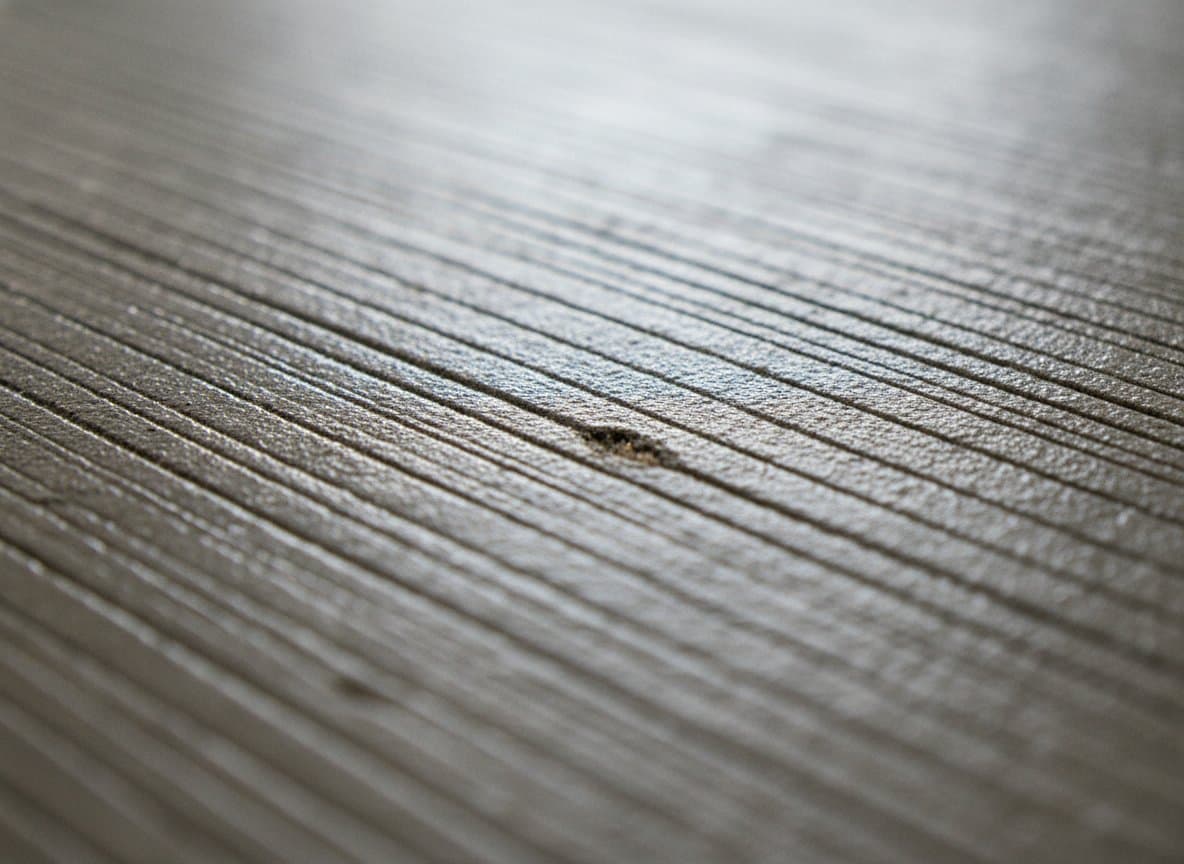
Macro of broom-finish concrete with a faint sheen.
What we install

Why a Michigan driveway needs sealing on a schedule

Most older Warren driveways were never sealed, which is the single biggest reason the ones from the 1970s and 1980s show surface spalling and pitting today. Sealing is the cheapest and highest return maintenance step in the whole life of a slab. A 2 to 3 year reseal cycle keeps water from soaking into the concrete, keeps road salt from chemically attacking the surface, and keeps the freeze and thaw cycle from blowing the top layer off. A slab lasts decades longer when the surface is sealed and the salt is kept off it.

A sealing job runs in three steps over a single working day. First we pressure wash the slab to strip loose dirt, deicer residue, oil drips, and any old failing sealer, then let it dry fully, typically 24 to 48 hours depending on weather, before the new sealer goes on. Second, we roll the sealer on in an even pass, watching the low spots so it does not puddle and the coat stays consistent. Third, once the first coat sets up, usually a few hours later the same day, we put a second coat on. The two coats together give the penetrating siloxane time to wick into the surface pores and form a hydrophobic barrier that water beads off instead of soaking in.

  • Penetrating siloxane sealer wicks into the slab instead of laying a surface film that peels.
  • Hydrophobic barrier rejects water and road salt without sealing in moisture from below.
  • Same day install on most residential driveways with no closure beyond a few hours.
  • Reapplied every 2 to 3 years for ongoing protection, much cheaper than replacement.
  • The faint wet look sheen after cure is just a side effect of the seal doing its job.
Sealing is the cheapest service on this site and the one that prevents the most expensive ones from ever being needed.

Sealing is the cheapest service we offer, and it keeps the most expensive ones (repair, resurfacing, replacement) off the table in the first place. Most Warren driveways with surface spalling, pitting, or scaling today were never sealed on a 2 to 3 year cycle. Before any sealer goes on, we note any cracks or joint openings that need attention first, because sealer over an open crack just traps water inside the slab and speeds the damage up instead of stopping it.

If your Warren driveway has never been sealed or has not been resealed in 3 or more years, the form or the phone above books a free walk through where we assess the slab and quote the sealing job. Most residential driveways are a same day job, with no closure beyond a few hours.

Materials

Penetrating siloxane versus topical acrylic sealers

Concrete sealers fall into two broad families that work very differently. Penetrating sealers are the silane, siloxane, or a blend of the two. They chemically react with the concrete in the top quarter inch of the slab. They form a hydrophobic barrier inside the surface pores. The sealer is invisible once cured. It does not change the look of the slab. It lets the concrete continue to breathe water vapor outward. Topical sealers are the acrylic, urethane, and epoxy products. They sit on top of the slab as a film. They give the slab a glossy wet sheen. They physically block water from getting through. Topical sealers work well on garage floors and decorative slabs where the gloss is wanted. But on a driveway exposed to UV and tire wear, they fail in 2 to 4 years. They yellow, peel, or wear off at the tire tracks.

For a Michigan driveway the penetrating siloxane is almost always the right choice. It will not yellow under UV, because siloxane is chemically inert. It does not get slippery when wet the way topical acrylics do. And unlike a film sealer sitting on top, it will not trap moisture inside the slab. The one place a topical sealer makes sense on a driveway is the stamped concrete case. That glossy sheen is part of the decorative finish and the homeowner accepts the 2 to 3 year reseal cycle. For a plain broom finished driveway, the siloxane goes invisible. It does its job for 2 to 3 years and gets reapplied with no decorative impact.

  • Penetrating siloxane reacts with the concrete and lives in the top quarter inch.
  • Topical acrylic sealers sit on the surface and yellow under Michigan UV over 2 to 4 years.
  • Siloxane does not get slippery when wet, important for a driveway exposed to rain.
  • Reseal cycle every 2 to 3 years catches the sealer before it fully wears off.
What about the alternatives?

Sealer options compared for Michigan driveways

When we quote a sealing job, a few products are on the table, and they behave very differently on a Macomb County driveway.

No sealer at all

What most older Warren driveways have. Lets water and salt soak into the slab. Causes the surface spalling you see on most 30 year old slabs.

Skip

Acrylic topical sealer (solvent carrier)

Gives the slab a glossy sheen. Yellows under UV in 2 to 4 years, peels off where tires sit, can get slippery in rain.

Skip

Acrylic topical sealer (water carrier)

Lower VOC than the solvent carrier version. Same glossy sheen but a shorter service life, 2 to 3 years before reapplication.

Acceptable

Penetrating siloxane sealer

The right choice for a plain residential driveway. Invisible, hydrophobic, does not yellow or peel. Reseal every 2 to 3 years.

Recommended

Silane and siloxane blend

Premium version of the penetrating sealer family. Slightly deeper penetration, slightly longer service life. Costs more, works the same way.

Recommended
How it goes

From quote to walk-on, fast.

01

Free walk-through

02

Base and forms

03

Rebar and pour

04

Finish and cure

Before you book

Things to confirm before booking a sealing job

Sealing is straightforward work, but the wrong product on the wrong slab causes more damage than no seal at all. The questions below catch the common mistakes.

Does the slab need any repair before the sealer goes on?
Yes, usually. Any open cracks wider than a hairline need filling with polyurethane sealant before sealing, because sealer over an open crack traps water inside the slab and speeds the damage up. Joints between slabs that have spread also need refilling. We note those repair needs during the walk through and either fold them into the quote or flag the ones that should be handled first.
Is the sealer penetrating or topical, and which is right for my driveway?
For a standard residential broom finished driveway, penetrating siloxane is almost always the right choice. For a stamped concrete driveway, a topical acrylic sealer is usually right because that glossy sheen is part of the decorative finish. We tell you which type we are quoting and why. Be cautious of a bid that just says concrete sealer without naming the chemistry.
When is the best time of year to seal in Michigan?
Late spring through early fall, with the slab clean and dry and no rain in the forecast for 24 to 48 hours after we apply it. Sealing on a wet slab does not let the siloxane bond, and sealing right before a rain washes the unbonded sealer off. We aim for May through September, and the schedule fills up by midsummer.
How long until the driveway is usable after sealing?
Foot traffic in 4 to 6 hours. Vehicle traffic the next day. Full cure (resistance to spills, deicers, and pressure washing) at about 7 days. Most homeowners get the sealing done on a Saturday and are parking on the slab Sunday with no issue.
How do I know when the seal needs reapplication?
Two checks. First, the water bead test: pour a cup of water on the slab. A sealed slab beads it. A slab that needs reseal absorbs it within 30 seconds, leaving dark spots that take minutes to dry. Second, a calendar: 2 to 3 years from the last application is the typical interval regardless of how the slab looks. The water test catches early failures, the calendar catches routine ones.
Aftercare

Keeping the sealer working between applications

Between sealing applications, the slab needs the same routine care any driveway gets. Push snow with a poly blade rather than a metal edge that scuffs the surface. Rinse off road salt and deicer residue in spring after the melt. Address any new cracks or open joints quickly. Otherwise water gets into the slab and freezes under the seal. The seal does its job invisibly. The homeowner notices it only when the water beads off the slab in rain instead of soaking in. When the water stops beading and starts soaking into dark spots, that is the trigger for the next reseal.

  • Push snow with a poly or rubber blade rather than a metal one, which scratches the surface.
  • Rinse off road salt and deicer residue in spring after the last melt.
  • Fill any cracks or joint openings within a few weeks of noticing them.
  • Do the water bead test once a year in spring to check if the sealer is still working.
  • Plan for a reseal every 2 to 3 years regardless of how the slab looks, especially at the apron where road salt is heaviest.
Wet-look sealed concrete driveway glistening at low sun.
FAQ

Sealing questions homeowners ask

How long does a concrete driveway last in Michigan?
Poured the right way, a concrete driveway here can last decades with light care. We build to current Michigan spec. That means a four inch slab, steel rebar through the middle, a strong 4,000 psi mix with tiny air bubbles for freeze resistance, and clean control joints cut into the top. The thinner mixes used back in the 1970s tend to flake by year 25. The best thing you can do to stretch the life of a slab is reseal it every two or three years.
Can concrete be poured in winter in Michigan?
We pour from about May through October. Concrete likes the heat. A fresh slab needs seven days above 50 degrees to cure to full strength, so the warm months are the safe window. Cold weather pours can be done with heated blankets and special mixes, but they cost more and the schedule fills fast. We start booking May work back in March, and we stop taking new spring jobs by the middle of September. If you call in October, we will most likely set you up for the next spring.
Is concrete or asphalt better for a Michigan driveway?
For most homes here, concrete is the better long run value. A well poured slab typically lasts decades, while asphalt usually gives you 15 to 20 years. Concrete also needs less upkeep, just a fresh seal every two or three years. And it holds up to the freeze and thaw cycles that crack a weak slab. Asphalt costs less up front and goes in fast, but it softens in summer heat and rolls into ruts where you park. If you plan to stay in the house past ten years, concrete is the smarter buy.
How much should a concrete driveway cost per square foot in Warren?
We do not quote a flat price per square foot from the curb, and you should be wary of any crew that does. The real number turns on the slab, the base under it, how much we have to tear out, and the apron at the street. So we come look at the driveway in person, free, and hand you a fixed written quote. That quote covers the demo, the base, the steel, the pour, and the finish. A bid made without a look tends to grow once the work starts.
How long until I can park on a new concrete driveway?
Walk on it day one. Wait a full week before you park a car or a pickup on it. Heavy loads like an RV or a packed truck should stay off for 28 days, which is when the slab finally reaches its full design strength. Driving on it early may not crack it that day, but it leaves stress in the concrete that shows up as cracks a season or two later. Most people park on the street the first week, then ease onto the new slab after day seven.
Ready when you are

Ready for a real Warren floor?

Send a few photos or book a free 15-minute on-site walk-through. A fixed written quote within one business day.

Get a free quoteCall (586) 554-2915
CallFree Quote