Concrete Driveway Resurfacing · Warren

Concrete Driveway Resurfacing in Warren, MI

When the slab is sound but the top is flaked or pitted, a cement based overlay brings back the finish without a full tear out.

1 to 2 days installs · typical timeline
Free Quote

Free Concrete Driveway Resurfacing quote.

We reply within 1 business hour. No spam, ever.

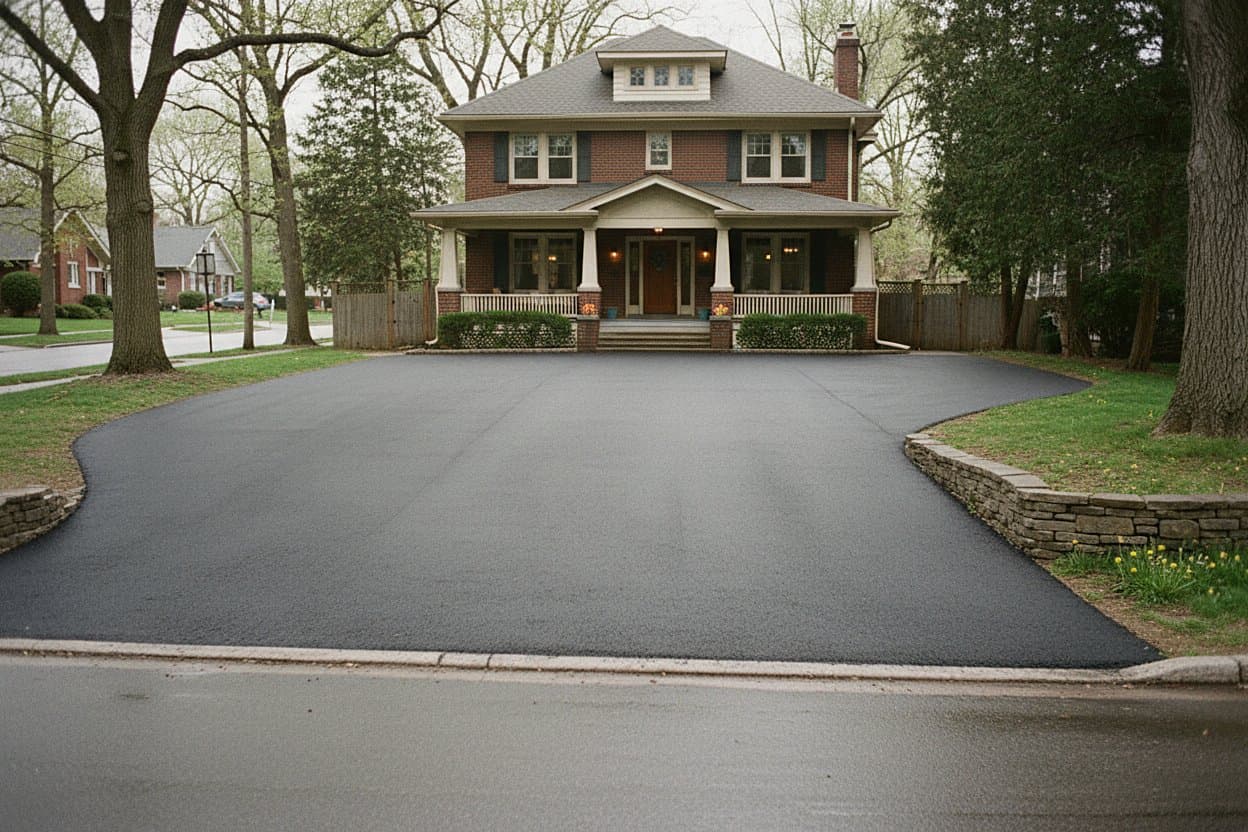
Wide freshly resurfaced driveway leading to a brick home.
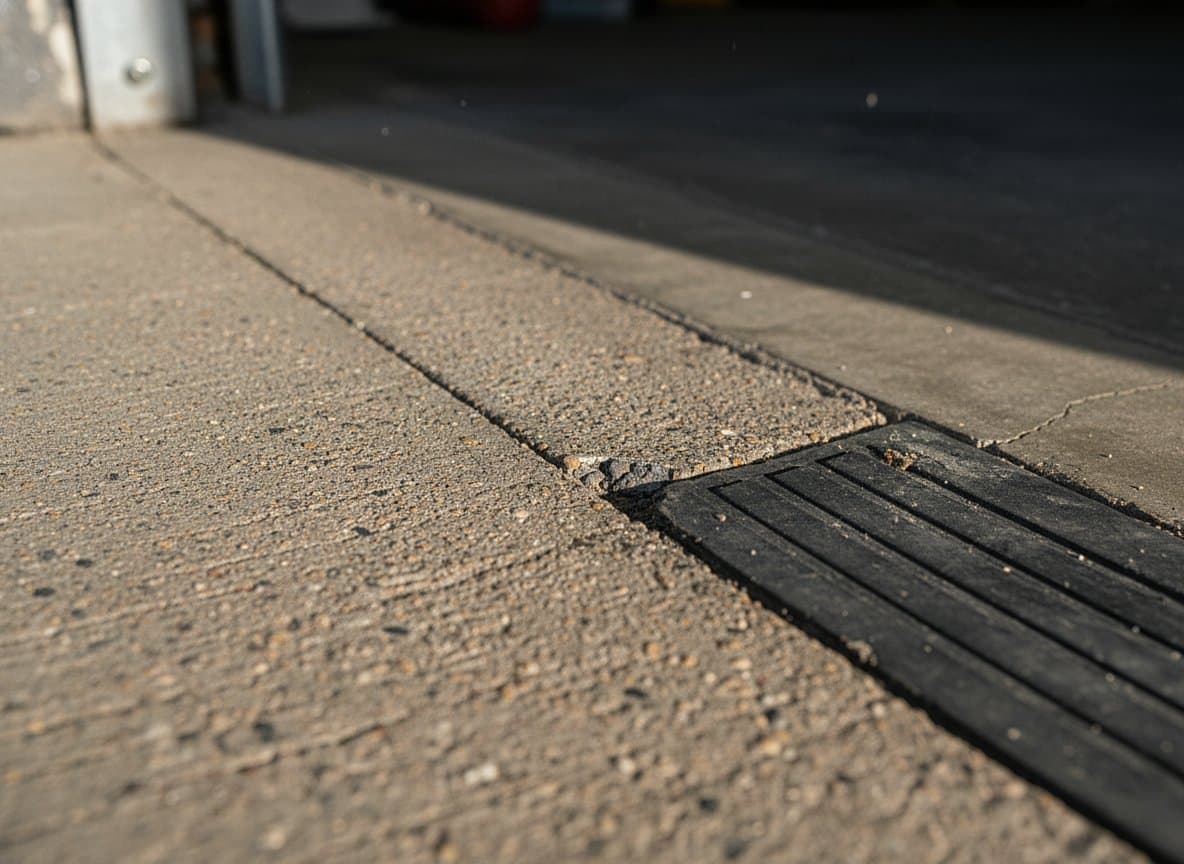
Resurfaced driveway meeting a garage threshold ramp.
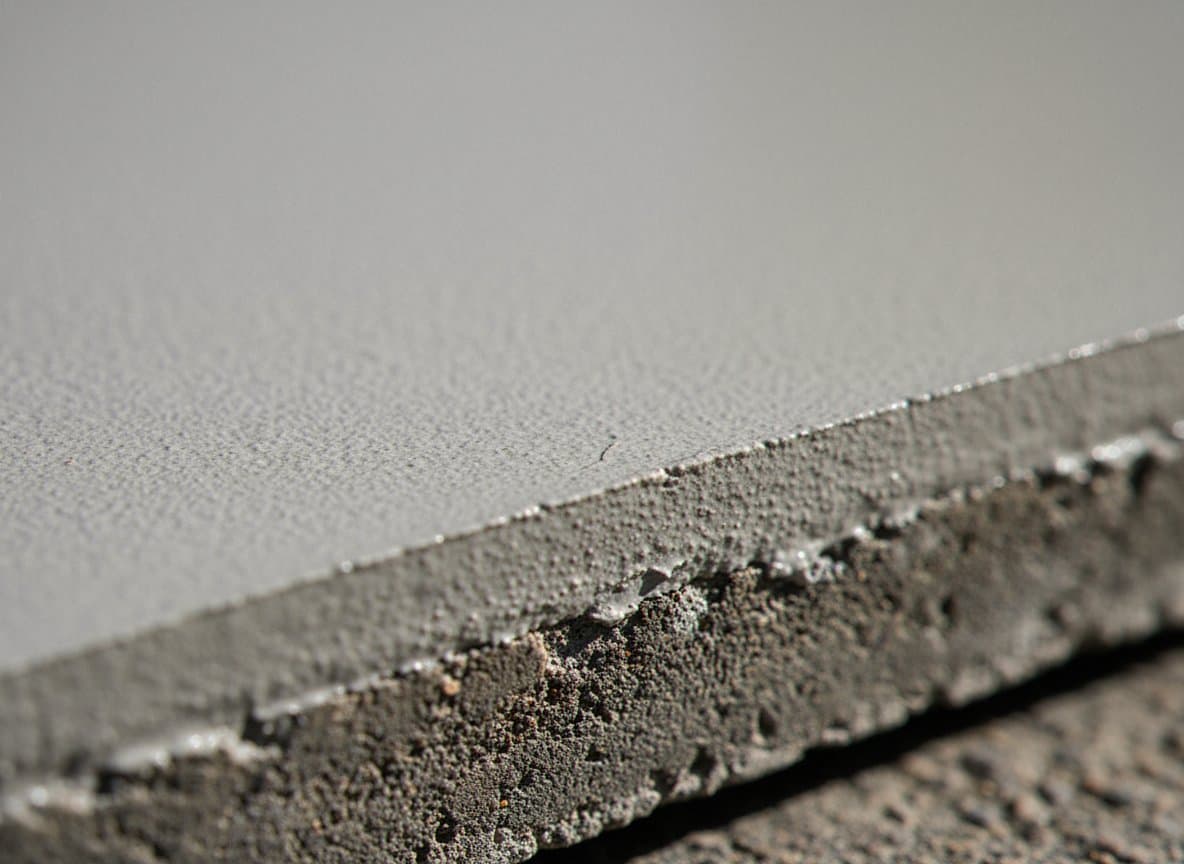
Macro of smooth cement overlay over rough substrate.
What we install

When resurfacing is the right call instead of replacement

Plenty of Warren driveways are solid but look rough. The slab is flat, whole, and not tilting. But the broom finish has flaked off, the top is pitted, the color is uneven, or old patches show. Tearing out a sound slab is a waste, and sealing it does not fix the look. Resurfacing is the middle road. We spread a cement based overlay, a cement mix with polymers in it, over the slab to restore an even surface. Then we broom it for grip or stamp it for a decorative look. The slab does the work. The overlay gives it a fresh face.

A resurfacing job runs in three steps over one to two days. First we clean the slab. We pressure wash it, chip out any loose or flaking concrete, and fill structural cracks with polyurethane sealant before the overlay goes down. Second, we roll a bonding primer onto the slab. The primer gives the overlay something to grip, because an overlay on dirty or smooth concrete lets go within a year without it. Third, we trowel the cement overlay across the slab a quarter to a half inch thick and finish the top. For a broom finish, we drag a broom over the wet overlay. For a stamped finish, color hardener and stamp mats follow the same steps as a fresh stamped pour.

  • Saves a structurally sound slab from an unnecessary tear out.
  • A cement overlay with blended polymers fuses to the existing slab through a primer.
  • Restores a uniform broom finish surface or upgrades to a stamped decorative finish.
  • Costs significantly less than a full driveway replacement.
  • Same day or 1 to 2 day install, with the driveway back in use inside a week.
Resurfacing works when the slab is sound but the top is ugly. It cannot save a slab that is worn out underneath.

Resurfacing only works when the substrate is sound. If the slab has cracked through into multiple sections, tilted, or shows signs of base failure, an overlay does not save it. The cracks telegraph straight up through the overlay within a year, and you have paid for resurfacing that fails. So the walk through is an honest read on whether the slab is a resurfacing candidate at all. We will quote a replacement on a Warren slab that is past saving rather than sell overlay work that will not last.

Does your Warren driveway have a sound slab with a rough top? Send a couple of photos through the form. We will book a free walk through to see if resurfacing is the right call. The quote covers cleaning, primer, overlay, and finish. You get the price in writing before any work starts.

Materials

What a cement overlay is, and how it bonds to the existing slab

Concrete driveway resurfacing starts with the overlay itself. An overlay is a cement mix with polymers blended in at the plant, and that blend is the whole point of the product. The polymers give the cured top enough give to ride out the small seasonal shifts in the slab below without cracking, and they raise the bond strength so the thin layer grips the old concrete and holds. Most home overlays go down a quarter to a half inch thick. We spread it in one pass and finish it while the mix is still soft. Thicker is rarely better. A heavy overlay shrinks as it cures and lifts at the edges, which is the exact failure a thin, well set layer is built to avoid.

The bonding primer is the step cheap bids quietly skip. A primer is just an acrylic liquid we roll across the cleaned slab before the overlay goes down, and it earns its place. Without it, the overlay only rests on the old top and hopes the texture holds. With it, the new layer grips into the concrete below, so the two act as one piece. On a worn broom finish the old texture is almost gone anyway. So with no primer the overlay starts peeling at the edges inside a year. The primer costs very little. Replacing a loose overlay costs a lot more.

  • The overlay mix carries blended polymers, so it flexes with the slab instead of cracking like a rigid mortar.
  • Bonding primer is the step cheap bids skip; without it the overlay debonds.
  • Quarter to half inch thickness is the typical residential overlay range.
  • Broom finish or stamped finish both work as the surface treatment over the overlay.
What about the alternatives?

Resurfacing versus replacement versus sealing

For a Warren driveway that is past sealing but not yet ready for a full tear out, resurfacing sits between the two. The right call depends on the slab.

Sealing only (no surface work)

Right call when the slab is sound and the surface is just dirty or aged. Cheapest option, 2 to 3 year reseal cycle keeps the slab going for decades.

Recommended

Spot patch with thin overlay

Patch a couple of pitted areas without doing the whole slab. Looks uneven, patches age differently than the surrounding slab. Acceptable only for small isolated damage.

Acceptable

Resurface the full slab with cement overlay

Right call when the slab is structurally sound but the surface is spalled, pitted, or cosmetically rough across most of the driveway. Restores uniform finish, saves the structural slab.

Recommended

Resurface a slab that has structural cracking or tilting

The cracks and movement telegraph through the overlay within a year. Resurfacing this slab is throwing money at the wrong problem.

Skip

Full tear out and replacement

The right call when the slab is structurally past its service life. More cost than resurfacing, and the new pour starts the clock over for decades.

Recommended
How it goes

From quote to walk-on, fast.

01

Free walk-through

02

Base and forms

03

Rebar and pour

04

Finish and cure

Before you book

What to confirm before booking a resurfacing job

Resurfacing attracts more shortcut bids than a fresh pour, because you are watching the cost and the overlay hides its own corners once it cures. The questions below catch the bids that will debond inside a year.

Is my slab actually a resurfacing candidate or should I be replacing it?
We check this during the walk through. A slab with small cracks under an eighth of an inch and surface flaking across most of the driveway is a good candidate. A slab with cracks wider than a quarter inch, tilted sections, or large sunken spots is past resurfacing and should be replaced. Anyone who quotes resurfacing on a clearly failed slab is selling work that will not hold.
Is a bonding primer included before the overlay goes on?
It should be. And it should be a real acrylic primer rated for the overlay product being used. The brand name should appear in the quote. Without the primer, the overlay relies on surface friction for bond. It debonds at the edges within 12 to 24 months. The primer is a small line item compared to the overlay material and labor. A bid that skips it to save money is the bid that fails first.
How thick is the overlay and is that thick enough?
A quarter to a half inch is the standard home range, put down in a single trowel pass. Thinner than a quarter inch tends to crack as it cures and shrinks. Thicker than a half inch tends to let go at the edges. If the slab has a lot of height change across it, the job may take more than one pass. We note that in the walk through and adjust the quote.
What finish goes on the overlay, broom or stamped?
Either one works. A broom finish on the overlay is the cheapest and most durable pick. It gives the slab an even texture that matches a fresh plain driveway. A stamped finish costs more, since it adds color hardener, release powder, stamp mats, and sealer. But it gives the look of a stamped driveway without the cost of a full new pour. You pick during the walk through after you see our sample board.
How long until the resurfaced driveway is back in use?
Foot traffic at 24 hours. Light vehicle at 7 days. Full design strength at 28 days. Same cure timeline as a fresh pour. The overlay itself needs the same cure window. Even though it sits on top of a fully cured substrate slab, the new concrete still has to gain strength. Most homeowners park on the street for a week. Then they park carefully on the resurfaced driveway after day 7.
Aftercare

Keeping a resurfaced driveway looking new

A resurfaced driveway gets the same maintenance as a fresh slab. Seal every 2 to 3 years with a penetrating siloxane sealer. Push snow with a poly blade rather than a metal edge. A metal edge chips the new overlay. Keep harsh deicers off the slab for the first 2 winters while the overlay is still gaining strength. Watch the original control joints in the substrate slab. Those are the places where overlay cracking most commonly shows up. If a joint opens up through the overlay, refill it with polyurethane caulk before water gets under the slab.

  • Seal with penetrating siloxane in spring after the first winter, reseal every 2 to 3 years.
  • Push snow with a poly blade rather than a metal edge, which gouges the fresh overlay.
  • Skip rock salt for the first 2 winters; sand for traction is the safer choice.
  • Watch the original substrate joints for cracking through the overlay; refill with polyurethane caulk.
  • Rinse the slab in spring after the snowmelt to remove accumulated deicer residue.
Wide freshly resurfaced driveway leading to a brick home.
FAQ

Resurfacing questions homeowners ask

How long does a concrete driveway last in Michigan?
Poured the right way, a concrete driveway here can last decades with light care. We build to current Michigan spec. That means a four inch slab, steel rebar through the middle, a strong 4,000 psi mix with tiny air bubbles for freeze resistance, and clean control joints cut into the top. The thinner mixes used back in the 1970s tend to flake by year 25. The best thing you can do to stretch the life of a slab is reseal it every two or three years.
Can concrete be poured in winter in Michigan?
We pour from about May through October. Concrete likes the heat. A fresh slab needs seven days above 50 degrees to cure to full strength, so the warm months are the safe window. Cold weather pours can be done with heated blankets and special mixes, but they cost more and the schedule fills fast. We start booking May work back in March, and we stop taking new spring jobs by the middle of September. If you call in October, we will most likely set you up for the next spring.
Is concrete or asphalt better for a Michigan driveway?
For most homes here, concrete is the better long run value. A well poured slab typically lasts decades, while asphalt usually gives you 15 to 20 years. Concrete also needs less upkeep, just a fresh seal every two or three years. And it holds up to the freeze and thaw cycles that crack a weak slab. Asphalt costs less up front and goes in fast, but it softens in summer heat and rolls into ruts where you park. If you plan to stay in the house past ten years, concrete is the smarter buy.
How much should a concrete driveway cost per square foot in Warren?
We do not quote a flat price per square foot from the curb, and you should be wary of any crew that does. The real number turns on the slab, the base under it, how much we have to tear out, and the apron at the street. So we come look at the driveway in person, free, and hand you a fixed written quote. That quote covers the demo, the base, the steel, the pour, and the finish. A bid made without a look tends to grow once the work starts.
How long until I can park on a new concrete driveway?
Walk on it day one. Wait a full week before you park a car or a pickup on it. Heavy loads like an RV or a packed truck should stay off for 28 days, which is when the slab finally reaches its full design strength. Driving on it early may not crack it that day, but it leaves stress in the concrete that shows up as cracks a season or two later. Most people park on the street the first week, then ease onto the new slab after day seven.
Ready when you are

Ready for a real Warren floor?

Send a few photos or book a free 15-minute on-site walk-through. A fixed written quote within one business day.

Get a free quoteCall (586) 554-2915
CallFree Quote