Concrete Driveway Repair · Warren

Concrete Driveway Repair in Warren, MI

When a driveway is mostly sound but has cracks, sunken panels, or open joints, what targeted repair looks like.

Same day to 1 day installs · typical timeline
Free Quote

Free Concrete Driveway Repair quote.

We reply within 1 business hour. No spam, ever.

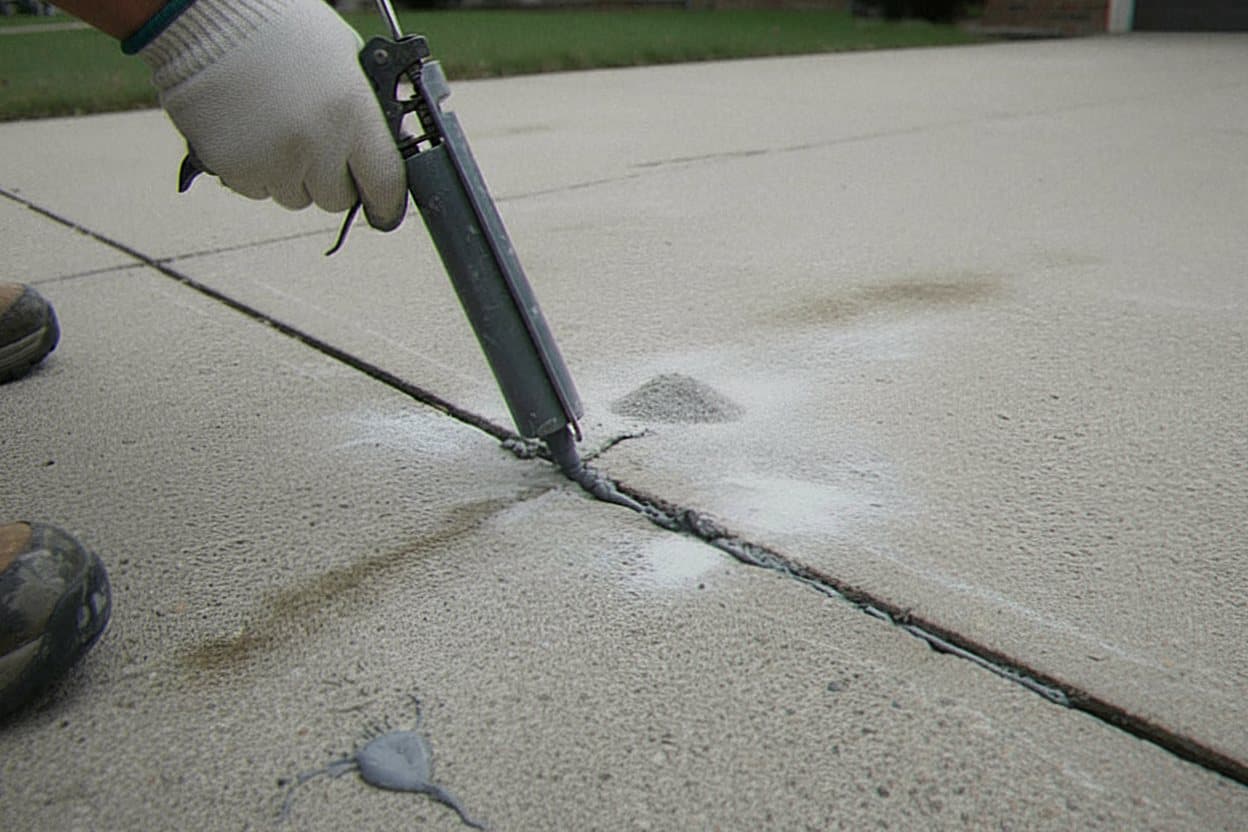
Caulk gun applying sealant into a driveway joint.
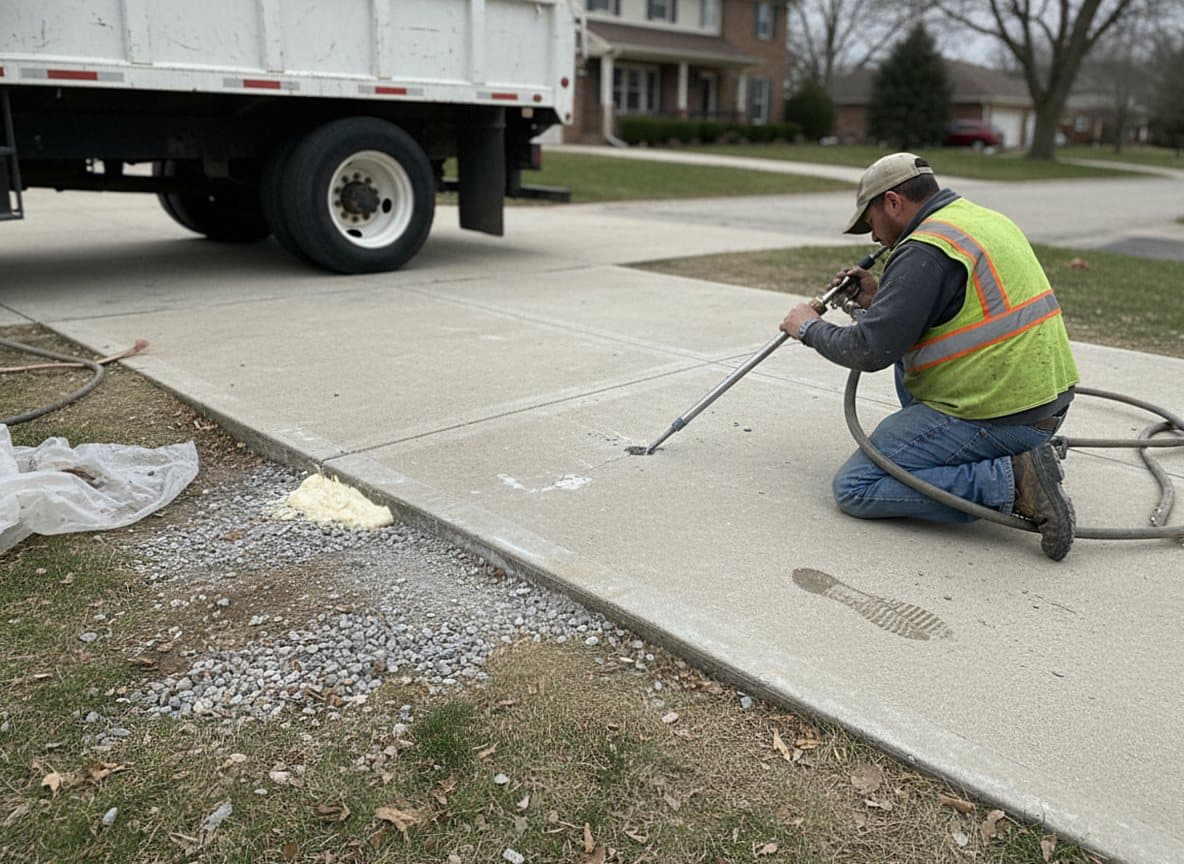
Worker injecting polyurethane foam beneath a settled slab.
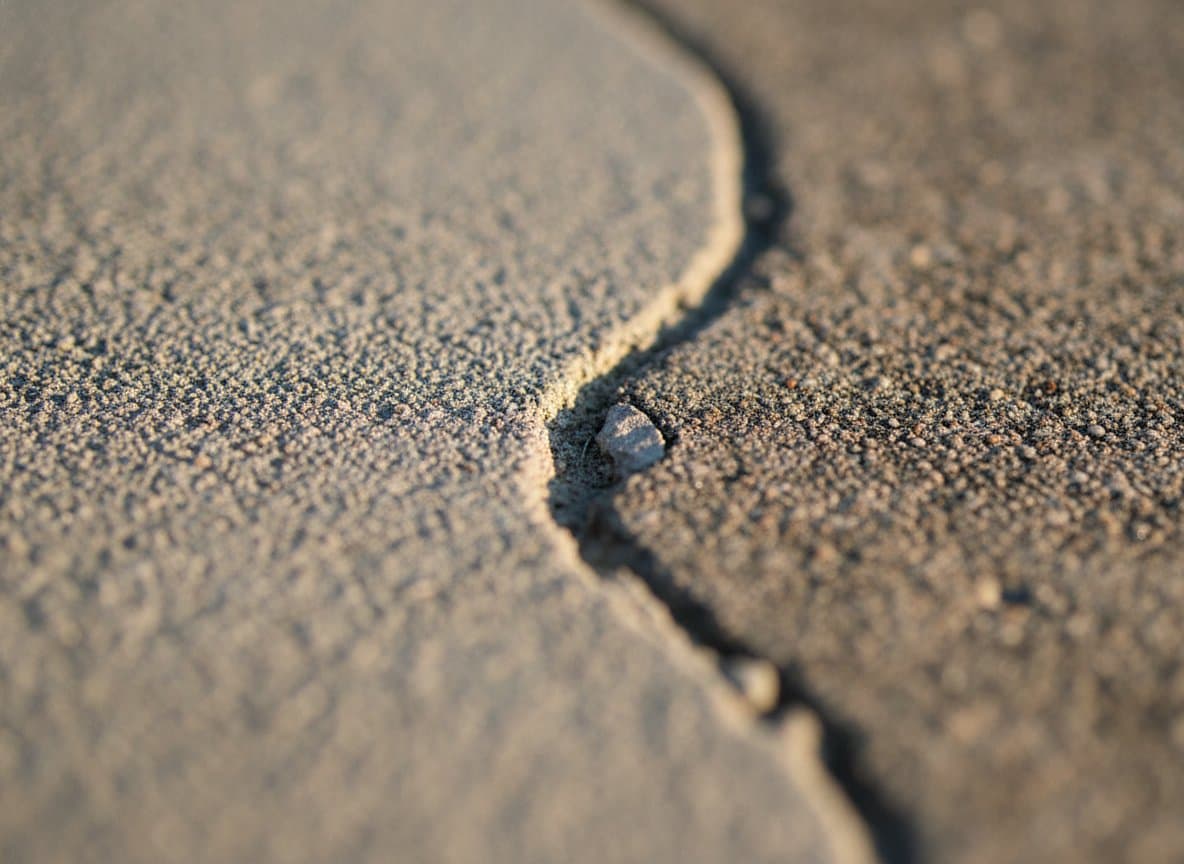
Macro of a fine crack across a concrete slab.
What we install

When a driveway is worth fixing, not replacing

Not every cracked driveway needs to be torn out. Concrete driveway repair makes sense when the slab is mostly sound. Say it has a few cracks, one or two sunken spots, or joints that have opened up over time. That slab is often a good fit for repair instead of a full replacement. The test is simple. If most of the slab is still flat, solid, and not flaking apart, we can fix the cracks and sunken spots for a small share of what a new driveway costs. But if the slab is broken into five or more chunks, tilting in several spots, or flaking across the whole top, repair is just money poured into a slab that is already done. At that point a fresh pour is the honest call.

Repair takes one of three forms, and the form depends on what failed. The first is a structural crack. That kind runs through the slab, not just across the top. We open it with a diamond blade saw, vacuum the groove clean, and fill it with a flexible polyurethane sealant. The sealant grips the concrete on both sides and tools flush with the surface. The second is a sunken section. We lift it back to grade with polyurethane foam, a method some call poly leveling or slab jacking. We drill a small port, then pump in foam that swells under the slab, fills the empty space, and raises the slab back into line. The third is open joints between slabs. We clean them with a wire brush, set a backer rod, and run a polyurethane caulk that levels itself and blocks winter water from getting under the slab.

  • Targeted repair on a sound slab, so you skip a tear out the driveway does not need.
  • Polyurethane crack fill that flexes with seasonal slab movement, not rigid epoxy.
  • Slab jacking with polyurethane foam for sunken sections, cleaner than mud jacking.
  • Joint refill at the seams between slabs to stop water getting under the driveway.
  • Most residential repair jobs take same day to 1 day with no driveway closure.
Repair works when most of the slab is sound and only a few sections need attention. Repair fails when the slab is structurally past its service life.

Every walk through starts with one honest read: is the slab even worth repairing? If we see enough cracking and tilting that a repair would just fail again within a year or two, we say so on the spot and quote a fresh pour instead. A bid that hides big structural problems to win a small repair sale is one to walk away from. We would rather tell a Warren homeowner their slab is past saving than sell repair work that we know will not hold.

Has your Warren driveway got a few cracks, one sunken panel, or open joints that need a look? Send a few photos through the form. We will set up a free walk through. The quote spells out the exact repair scope, and the price is written down before any work starts.
Materials

What goes into a repair that holds versus one that opens again next year

What makes a repair last is simple: what fills the crack, and how the joint is prepped. A real crack repair starts by cutting the crack open with a diamond blade saw. That leaves a clean groove with straight walls. We vacuum out the dust and fill the groove with a flexible polyurethane sealant that grips the concrete on both sides. The polyurethane stays flexible for years. It stretches and shrinks with the slab through Michigan freeze and thaw, and the bond holds. A cosmetic repair just smears a bead of caulk into the rough crack as it sits. That caulk does not hold. The crack is still full of dust and old bits that block a real bond, and a stiff caulk tears the moment the slab shifts.

Slab jacking with polyurethane foam is the modern replacement for the older mud jacking method. Mud jacking pumped a wet slurry of cement and clay under the slab through two inch ports. The foam method drills much smaller holes, about a half inch, and the foam expands roughly 25 times its liquid volume and sets in minutes. Once cured it weighs a fraction of what the old mud slurry did, and that lighter weight matters: the material doing the lifting should not become a new load that crushes the clay underneath all over again. The foam is also hydrophobic, so it does not soak up groundwater and the lifted slab does not settle back into a wet base.

  • Diamond blade saw chase opens the crack into a clean groove for real bond.
  • Polyurethane sealant flexes with the slab through Michigan freeze and thaw.
  • Slab jacking with polyurethane foam is lighter and cleaner than mud jacking.
  • Joint refill with a polyurethane caulk that settles flat stops water under the slab.
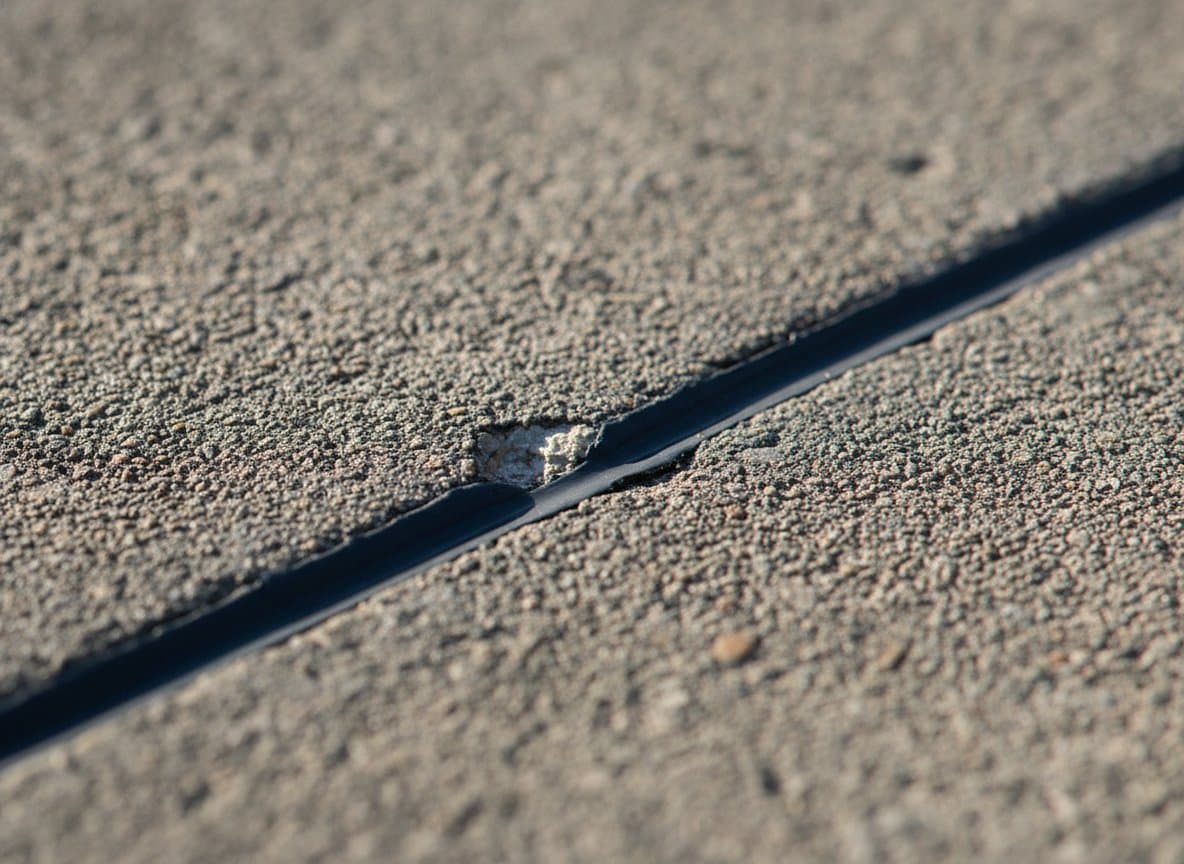
Macro of a chipped control joint in concrete.
What about the alternatives?

Repair options compared, by what they actually fix

When a driveway has a problem that is not yet full replacement territory, you get pitched a few different repair options. Some hold, some fail fast.

Cosmetic caulk run into the existing crack

Cheapest cosmetic fix. Bonds to dust, not concrete. Tears open at the first freeze cycle within months.

Skip

Chase and fill with rigid epoxy

Decent bond. Rigid epoxy does not flex with the slab through seasonal movement and cracks adjacent to the repair within 1 to 2 years.

Acceptable

Mud jacking lift of sunken section

Works, has been the standard for decades. Heavier than poly foam, larger drill ports, less precise lift, can settle back over years.

Acceptable

Polyurethane foam slab jacking + polyurethane crack fill

Modern standard. Smaller drill ports, faster cure, foam stays light and hydrophobic, sealant flexes for years.

Recommended

Full slab replacement

Honest path when the slab is structurally past saving. It costs more up front, and the repair calls stop afterward.

Recommended
How it goes

From quote to walk-on, fast.

01

Free walk-through

02

Base and forms

03

Rebar and pour

04

Finish and cure

Before you book

What to confirm before booking a repair job

The questions below catch the repair bids that will fail the same way the original problem did, and identify the slabs that need a replacement instead.

Will you tell me honestly if my driveway is past repair?
We will, and we will quote a replacement instead. The honest call comes from a few things. How much of the slab is failing. How deep the cracks run and how far they have spread. Whether any sections have tilted. A slab with a few cracks and one sunken panel is a repair. A slab cracked into five or more chunks across the whole driveway is a replacement. Anyone quoting repair on a slab like that is selling work that will not last.
What is the actual material in the crack fill?
It should be a polyurethane sealant rated for concrete and outdoor use. Most makers of construction sealants offer a version of it. It should not be a generic hardware store caulk. Silicone caulk does not bond to concrete well. Rigid epoxy does not flex as the slab moves with the seasons. So skip both. The product data sheet should be there if you ask for it. It lists the working temperature range and the service life you can expect.
How does poly foam slab jacking compare to mud jacking?
Poly foam uses smaller drill ports, about a half inch across, versus the two inch holes mud jacking needs. It cures in minutes, not hours. It is hydrophobic, so it does not soak up groundwater. And it weighs a tiny fraction of the same volume of mud slurry. Mud jacking is still used in some markets, mostly because the gear and the material cost less. The poly foam way is cleaner and more precise. Mud jacking is fine on jobs where weight under the slab is not a worry.
How long until the repair is fully cured and usable?
Polyurethane crack sealant skins over in about 30 minutes and is fully cured at 24 hours, so the driveway is drivable the next day. Slab jacking foam cures in 15 minutes and the slab is drivable the same day. Joint refill caulk is drivable the next day. Most homeowners get the repair done in the morning and are parking on the driveway by evening.
How is the repair scope written into the quote?
We spell out which cracks, joints, and sunken sections are part of the job, and which ones we are leaving alone. A repair on one spot does not cover new cracks that open later somewhere else. Those usually point to a separate base or drainage problem. Seeing the scope in writing before work starts is how you know what gets fixed today and what is saved for a later visit.
Aftercare

Keeping a repaired driveway from needing the next repair right away

After a repair, the driveway gets the same care as a healthy slab. Seal it every 2 to 3 years. Push snow with a poly blade. Watch for new cracks at the joint spacing. The polyurethane fills and the slab jacking lifts both age better when the slab around them is sealed against water, because water getting under a slab is what causes most of the failures that lead to repair in the first place. So keeping water out is the discipline over the years. If a new crack opens next year somewhere different from the one we fixed, that points to an underlying base or drainage problem, and we would rather come back for another look than chase each new crack as it appears.

  • Seal the slab with a penetrating siloxane sealer the spring after the repair.
  • Reseal every 2 to 3 years to keep water out of the slab and any micro cracks.
  • Watch the joints the crew cut in with a saw for new openings; the slab wants to crack there first.
  • Push snow with a poly blade rather than a metal edge, which scuffs the broom finish near the repair.
  • If a new crack opens away from any joint within a year, call us back. That signals an issue under the slab.
Caulk gun applying sealant into a driveway joint.
FAQ

Repair questions homeowners ask

How long does a concrete driveway last in Michigan?
Poured the right way, a concrete driveway here can last decades with light care. We build to current Michigan spec. That means a four inch slab, steel rebar through the middle, a strong 4,000 psi mix with tiny air bubbles for freeze resistance, and clean control joints cut into the top. The thinner mixes used back in the 1970s tend to flake by year 25. The best thing you can do to stretch the life of a slab is reseal it every two or three years.
Can concrete be poured in winter in Michigan?
We pour from about May through October. Concrete likes the heat. A fresh slab needs seven days above 50 degrees to cure to full strength, so the warm months are the safe window. Cold weather pours can be done with heated blankets and special mixes, but they cost more and the schedule fills fast. We start booking May work back in March, and we stop taking new spring jobs by the middle of September. If you call in October, we will most likely set you up for the next spring.
Is concrete or asphalt better for a Michigan driveway?
For most homes here, concrete is the better long run value. A well poured slab typically lasts decades, while asphalt usually gives you 15 to 20 years. Concrete also needs less upkeep, just a fresh seal every two or three years. And it holds up to the freeze and thaw cycles that crack a weak slab. Asphalt costs less up front and goes in fast, but it softens in summer heat and rolls into ruts where you park. If you plan to stay in the house past ten years, concrete is the smarter buy.
How much should a concrete driveway cost per square foot in Warren?
We do not quote a flat price per square foot from the curb, and you should be wary of any crew that does. The real number turns on the slab, the base under it, how much we have to tear out, and the apron at the street. So we come look at the driveway in person, free, and hand you a fixed written quote. That quote covers the demo, the base, the steel, the pour, and the finish. A bid made without a look tends to grow once the work starts.
How long until I can park on a new concrete driveway?
Walk on it day one. Wait a full week before you park a car or a pickup on it. Heavy loads like an RV or a packed truck should stay off for 28 days, which is when the slab finally reaches its full design strength. Driving on it early may not crack it that day, but it leaves stress in the concrete that shows up as cracks a season or two later. Most people park on the street the first week, then ease onto the new slab after day seven.
Ready when you are

Ready for a real Warren floor?

Send a few photos or book a free 15-minute on-site walk-through. A fixed written quote within one business day.

Get a free quoteCall (586) 554-2915
CallFree Quote