Concrete Driveway Replacement · Warren

Concrete Driveway Replacement in Warren, MI

When the old slab is past saving, what a full tear out and repour to current Michigan spec looks like.

2 to 3 days installs · typical timeline
Free Quote

Free Concrete Driveway Replacement quote.

We reply within 1 business hour. No spam, ever.

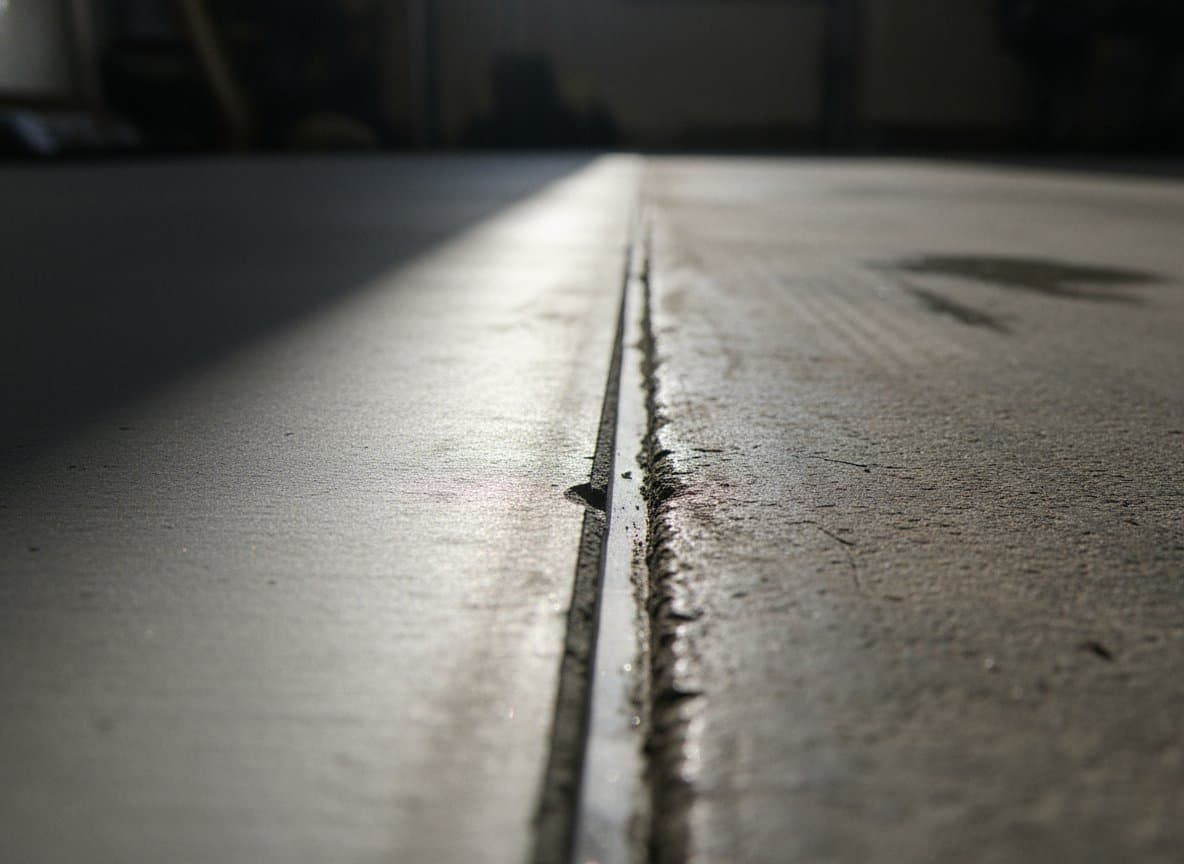
Control joint in a new slab near a garage.
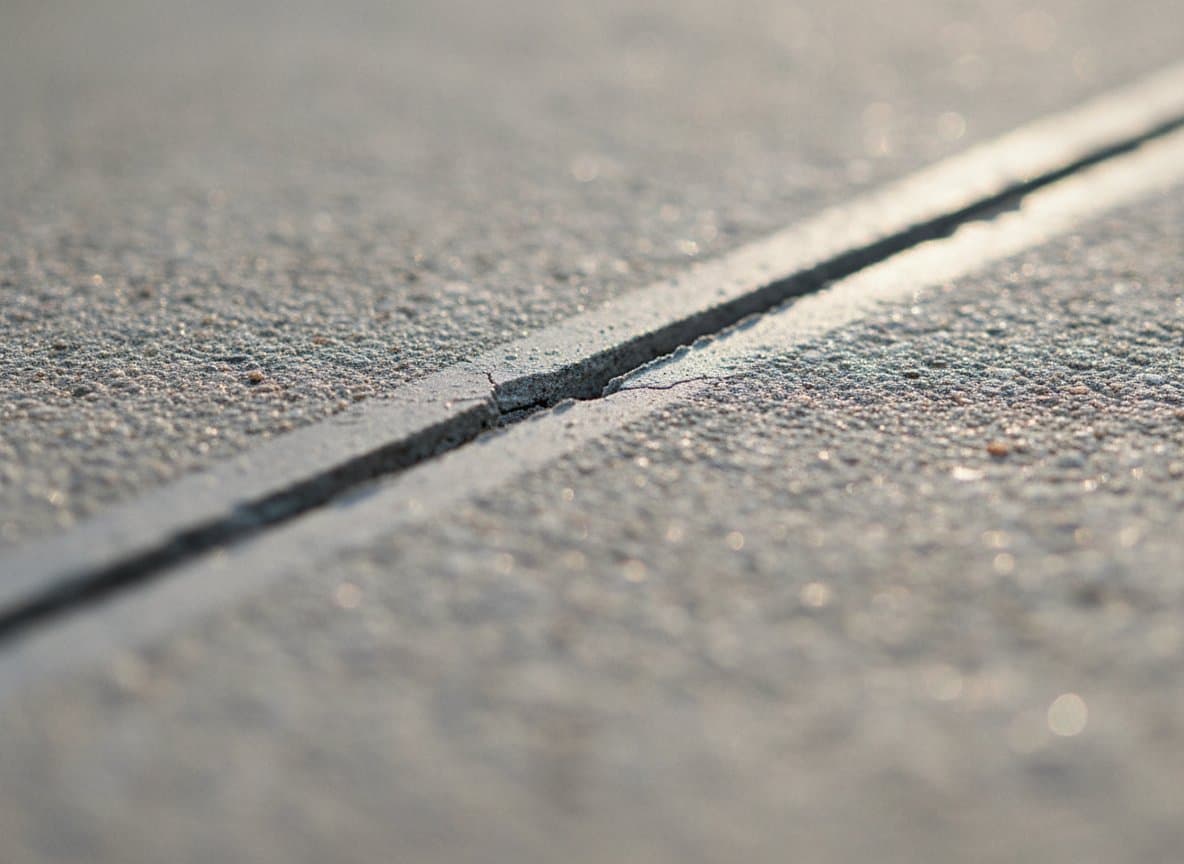
Macro of a saw-cut joint in a concrete slab.
What we install

When a driveway is past patching and has to come out

Most Warren homes built between the 1950s and the 1980s still have their original concrete driveway. That is a huge stock of slabs now 40 to 70 years old, and after that long the concrete itself is at the end of its service life. The pattern we see is always the same: large cracks running the length of the drive, sections sunk an inch or two below the rest, surface spalling that pits the broom finish off and exposes the aggregate, and joints spread wide enough to swallow a quarter. At that point, sealing or resurfacing throws good money after bad. The slab needs to come out.

A full replacement runs in three clear stages over 2 to 3 working days. Day one is demolition: a skid steer with a hydraulic breaker fractures the old slab, we load the chunks into a dump trailer and haul them off, and the base underneath comes open. Day two is the base rebuild. Clay migrates into the old base over the decades, so we regrade it, top it up with 4 to 6 inches of fresh crushed limestone, and compact it in lifts. Then we set the new forms, tie the rebar on chairs, and pour on day two or three depending on weather. We pour the new slab to current Michigan spec, which is stronger than what most original Warren driveways were poured to.

  • A full tear out and haul, rather than a fresh pour laid over the failing slab.
  • Base rebuild with fresh crushed limestone, compacted in lifts to spec.
  • Continuous 3/8 inch steel rebar replaces the wire mesh or bare concrete found in legacy slabs.
  • A current 4,000 psi mix made with entrained air replaces the lighter mixes used in the 1970s.
  • Control joints cut in with a saw at the proper spacing, not creased in by hand.
Once a driveway has cracked into 5 or more sections and tilted, no patch saves it. The slab is at the end of its service life.

Most replacement jobs across Warren, Sterling Heights, Roseville, Fraser, Clinton Township, and Shelby Township run 2 to 3 days from breaker on the old slab to forms off the new one. We write a fixed price for the demo, haul, base, rebar, pour, and finish before any work starts. A bid that gives a square foot price without breaking out the tear out cost has buried the part that drives the real number.

If your Warren driveway is past patching, send a couple of photos through the form and we will book a free walk through at the property. The quote covers the full job from tear out through final broom finish, with the price written down before work starts.

Materials

What is different about a replacement versus a fresh pour

A replacement is a fresh pour with a tear out and a base rebuild in front of it, and that changes both the timeline and the cost. The tear out is the part most homeowners underestimate. An old 4 inch slab poured in 1968 weighs about 50 pounds per square foot, so a 600 square foot driveway is 30,000 pounds of concrete. We break it up, load it into a trailer, and haul it to a recycling facility, because most Michigan counties now require recycled concrete aggregate rather than landfill disposal. The breaker work is fast, usually a half day on a residential driveway. The haul is the slow part: hours of skid steer loading and a couple of dump trips to the aggregate recycler.

The base rebuild is the second piece that sets a replacement apart from a fresh pour. The original base under a 40 year old slab has had decades to break down. Clay migrates up into the limestone, the limestone itself breaks into smaller fragments under freeze and thaw, and any drainage tile clogs or collapses. So we regrade the base, top it up with 2 to 4 inches of fresh crushed limestone, and compact it in lifts the same way we would on a fresh pour. Reusing the existing base under a new slab is the most common shortcut on cheap replacement bids, and it shows up as new settling cracks within the first year.

  • Tear out and haul to a recycling facility is the line item that bumps cost over a fresh pour.
  • A base rebuilt with fresh crushed limestone, not the old base left in place.
  • Old wire mesh or rebar free slabs get replaced with continuous 3/8 inch rebar on a grid.
  • New mix at 4,000 psi with entrained air is stronger than the 3,000 psi mixes common in older slabs.
What about the alternatives?

Other options homeowners weigh against a full replacement

When an old driveway is failing, you will hear three other paths suggested before a full tear out. Each one ages differently, and a couple age badly.

Resurface with a cement overlay

Cheaper on day one, looks new after the overlay cures. Only works if the substrate slab is structurally sound. Will not save a slab that is cracked through and tilting.

Acceptable

Mud jacking or slab jacking to lift sunken sections

Useful when one or two slabs have sunken but the rest of the driveway is sound. Cannot fix a slab that is cracked through.

Acceptable

Concrete pour over the top of the existing slab

Looks like an easy fix. The new thin pour has nothing to bond to and cracks above every joint and crack in the old slab. Fails inside 2 to 4 years.

Skip

Full tear out and repour to current spec

The job described above. Removes the failing slab, rebuilds the base, repours to current Michigan spec for a driveway that holds up for decades.

Recommended
How it goes

From quote to walk-on, fast.

01

Free walk-through

02

Base and forms

03

Rebar and pour

04

Finish and cure

Before you book

What to confirm before signing a replacement contract

The questions that catch a thin replacement bid are different from the ones for a fresh pour. The list below is what to push on before any work starts.

Is the tear out and haul included in the quote price?
It should be, as a separate line item. We break out the demo cost, the disposal cost (per ton or per load), and the base rebuild cost, so you can see what you are paying for the rip out versus the new pour. A single lump number with no breakdown is where shortcuts hide.
How much fresh limestone is going on the base?
On a typical replacement, 2 to 4 inches of fresh crushed limestone on top of the regraded existing base. If the existing base has migrated badly or had drainage issues, we may strip it entirely and lay a full 4 to 6 inches new. We confirm the number during the walk through, not as a guess from the curb.
Why repour at 4,000 psi if the original slab was 3,000?
Because the original slab was poured before the exterior flatwork spec for freeze and thaw resistance was tightened. A 3,000 psi mix was common in residential pours through the 1970s and 1980s and is the reason most slabs from that era show surface spalling by year 25. The 4,000 psi mix made with entrained air that meets the current spec is the same material concrete plants pour for new driveway work today.
How long is the driveway out of service?
Demolition day one. Base and forms day two. Pour day two or three depending on weather. Foot traffic 24 hours after the pour. Light vehicle at 7 days. Full design strength at 28 days. Most homeowners park on the street for about a week and then carefully on the new slab after day 7.
What if the apron at the street is part of the failure?
The apron (the section of driveway between the sidewalk or property line and the street) is sometimes a city right of way and may need a separate permit, or even a city contractor, to replace. We check the Warren city code, or whichever municipality applies, during the walk through and pull the permit if one is required. A bid that quotes around the apron is a flag someone is trying to skip the permit step.
Aftercare

Keeping a new replacement slab from following the same failure path

A replacement slab is a brand new driveway, so it gets the same care as a new pour. The difference is that you have watched one driveway fail already, which is useful. If the first one went because deicer chemistry pitted the surface, we seal the new slab sooner and you change the salt habit. If it went because the base stayed wet, we add drainage tile and seal the apron and the garage transition. The first 2 to 3 years are the window where the slab is still gaining strength, and heavy vehicles, harsh deicers, and snow shovels with a metal edge all do more damage then than they will in years 10 through 30.

  • Seal the new slab with a penetrating siloxane sealer in spring after the first full winter.
  • Reseal every 2 to 3 years, especially at the apron where road salt tracks in from the street.
  • Skip rock salt and calcium chloride for the first 2 winters; sand for traction is the safer choice.
  • Push snow with a poly or rubber edge blade rather than a metal one, which chips the broom finish.
  • Fill any joint that opens past a quarter inch with polyurethane joint caulk before water gets under the slab.
Control joint in a new slab near a garage.
FAQ

Replacement questions Warren owners ask

How long does a concrete driveway last in Michigan?
Poured the right way, a concrete driveway here can last decades with light care. We build to current Michigan spec. That means a four inch slab, steel rebar through the middle, a strong 4,000 psi mix with tiny air bubbles for freeze resistance, and clean control joints cut into the top. The thinner mixes used back in the 1970s tend to flake by year 25. The best thing you can do to stretch the life of a slab is reseal it every two or three years.
Can concrete be poured in winter in Michigan?
We pour from about May through October. Concrete likes the heat. A fresh slab needs seven days above 50 degrees to cure to full strength, so the warm months are the safe window. Cold weather pours can be done with heated blankets and special mixes, but they cost more and the schedule fills fast. We start booking May work back in March, and we stop taking new spring jobs by the middle of September. If you call in October, we will most likely set you up for the next spring.
Is concrete or asphalt better for a Michigan driveway?
For most homes here, concrete is the better long run value. A well poured slab typically lasts decades, while asphalt usually gives you 15 to 20 years. Concrete also needs less upkeep, just a fresh seal every two or three years. And it holds up to the freeze and thaw cycles that crack a weak slab. Asphalt costs less up front and goes in fast, but it softens in summer heat and rolls into ruts where you park. If you plan to stay in the house past ten years, concrete is the smarter buy.
How much should a concrete driveway cost per square foot in Warren?
We do not quote a flat price per square foot from the curb, and you should be wary of any crew that does. The real number turns on the slab, the base under it, how much we have to tear out, and the apron at the street. So we come look at the driveway in person, free, and hand you a fixed written quote. That quote covers the demo, the base, the steel, the pour, and the finish. A bid made without a look tends to grow once the work starts.
How long until I can park on a new concrete driveway?
Walk on it day one. Wait a full week before you park a car or a pickup on it. Heavy loads like an RV or a packed truck should stay off for 28 days, which is when the slab finally reaches its full design strength. Driving on it early may not crack it that day, but it leaves stress in the concrete that shows up as cracks a season or two later. Most people park on the street the first week, then ease onto the new slab after day seven.
Ready when you are

Ready for a real Warren floor?

Send a few photos or book a free 15-minute on-site walk-through. A fixed written quote within one business day.

Get a free quoteCall (586) 554-2915
CallFree Quote